PORTFOLIO PERFORMANCE
(2021) INSTALLATION (mixed media) © Ramiro Wong & Ksenia Yurkova
A collaborative take of two artists, Ksenia Yurkova and Ramiro Wong, on the conditions of artistic labour and a system of beliefs and exploitations embedded in the contemporary
art-market.
art-market.
Real Stories - group show by the QM&A Artist Collective
Aa collections Gallery, Vienna
Aa collections Gallery, Vienna
On average, an emerging artist applies to 50 - 70 exhibitions or festivals annually. Half of these demands a one-time payment in the form of an entrance fee which ranges from 10 to 30 Euros, amounts that add up to over 900 Euros only in contributions. When there's a positive outcome, these investments translate into participation in 3 to 4 projects in which the production costs would – most likely – be paid; however, this does not include other fees, nor royalties. At such events, works are usually not for sale – the events are run by non-commercial institutions–, this alone creates different levels of conflict that are deepened when taking into consideration that the official status of an artist is proved by a CV which should contain a list of international projects. Statistically speaking, most contributions to these international competitions are paid by artists who come from countries where governmental support for the arts is either negligible or absent; thus, part of the international cultural processes in the European territory is subsidized by developing countries of Eastern Europe, Asia, Africa and/or Latin America.
"Lottery" is a very appropriate word to describe this economic process within the systems of culture, up to the complete confluence of contexts: for example, in Germany or the Netherlands, the lottery subsidizes the arts and culture sector. This, of course, is not as entertaining as the situation in Sweden, where the culture is supported through weaponry sales. Nevertheless, it sounds like a symptom: culture lives off of the hope of the poorest segments of the population, including immigrants, the hope to change their lives for the better; in other words, at the expense of those who do not have access to culture.
"Lottery" is a very appropriate word to describe this economic process within the systems of culture, up to the complete confluence of contexts: for example, in Germany or the Netherlands, the lottery subsidizes the arts and culture sector. This, of course, is not as entertaining as the situation in Sweden, where the culture is supported through weaponry sales. Nevertheless, it sounds like a symptom: culture lives off of the hope of the poorest segments of the population, including immigrants, the hope to change their lives for the better; in other words, at the expense of those who do not have access to culture.
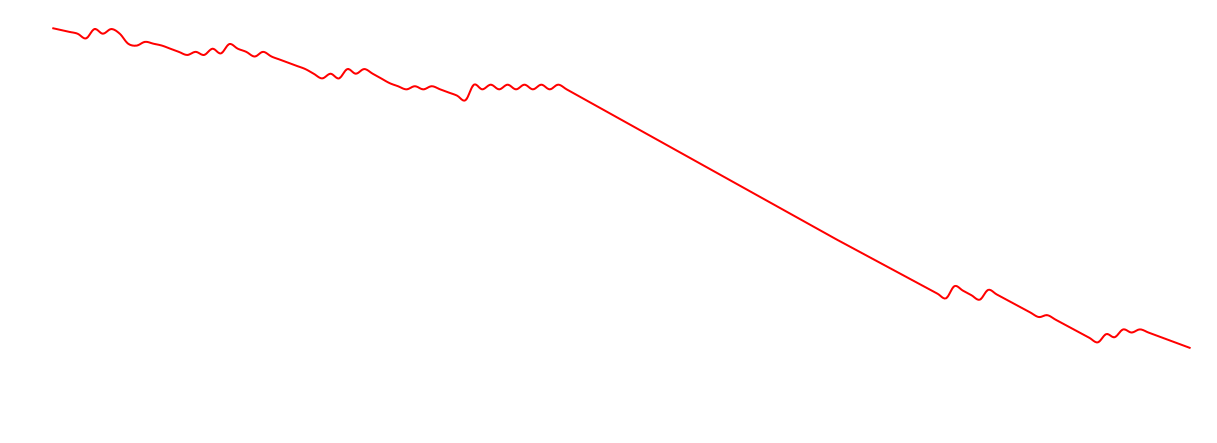
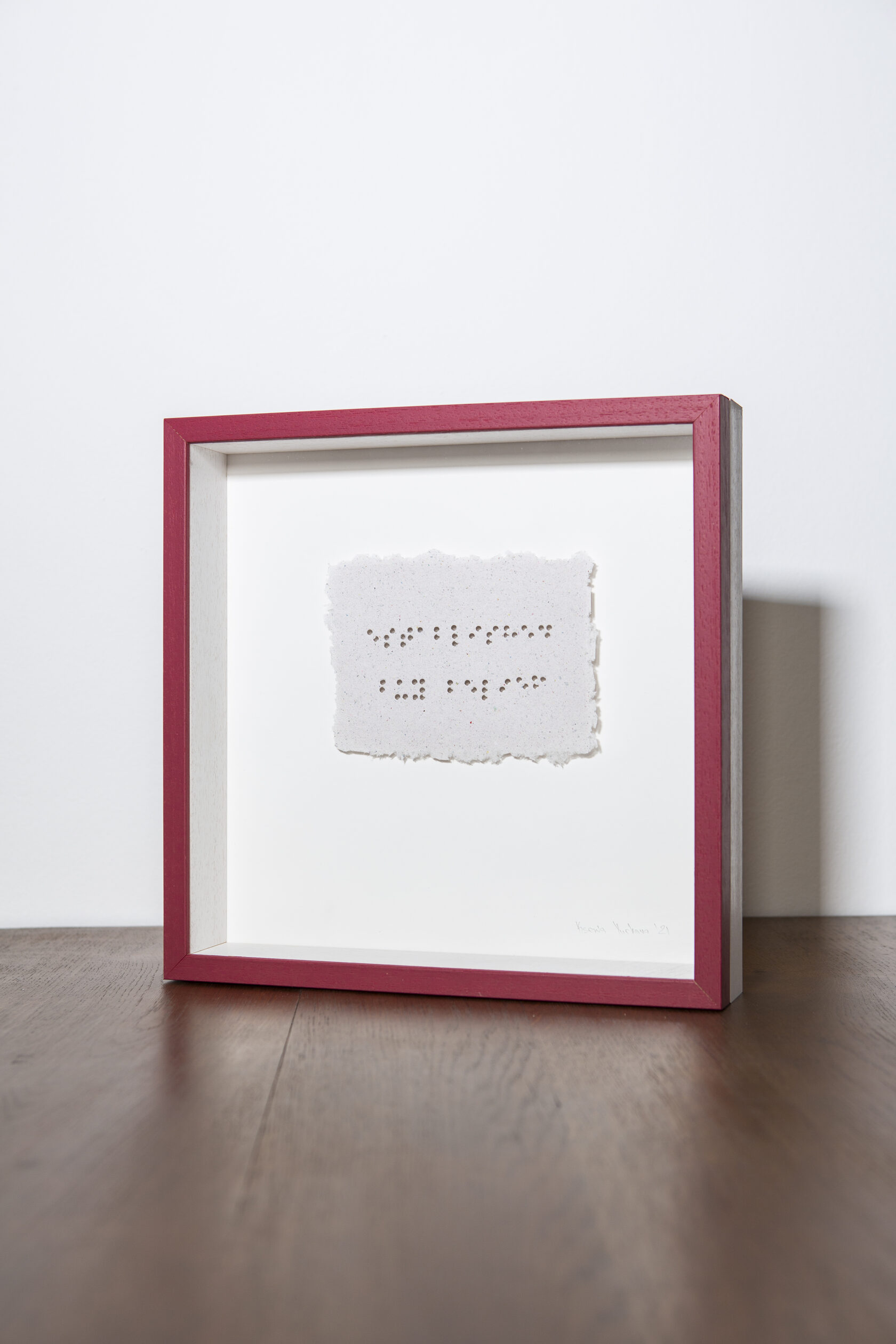
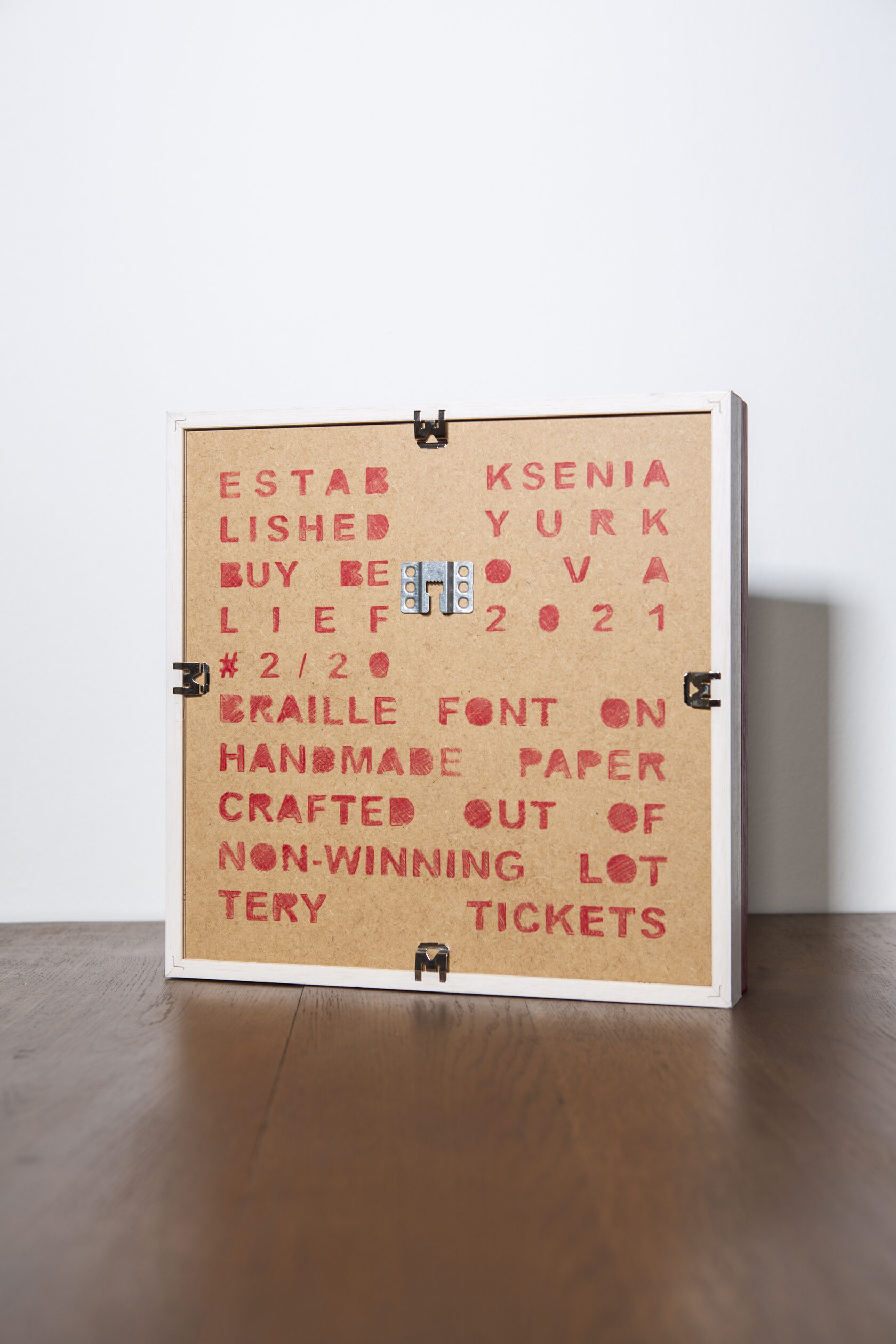
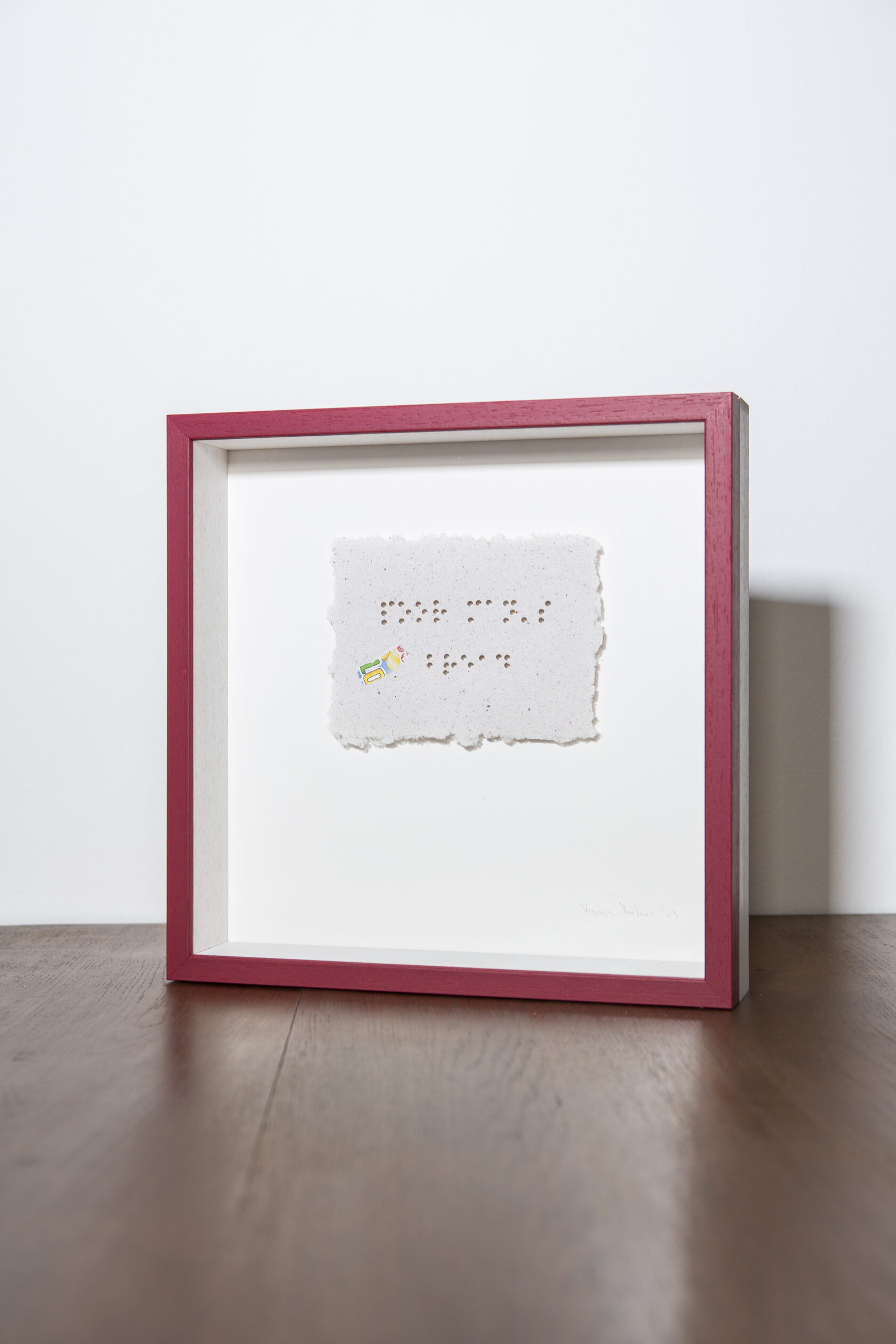
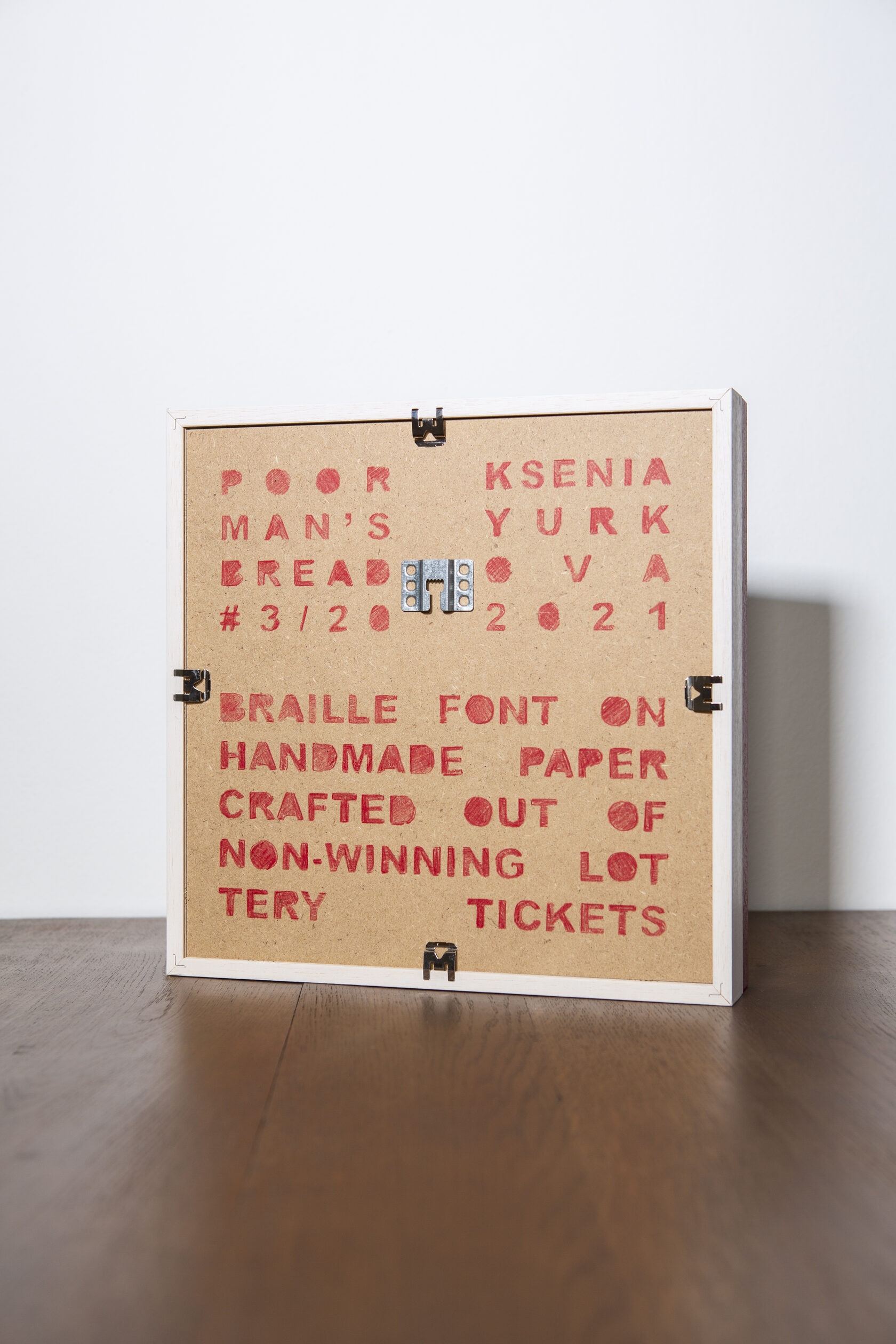
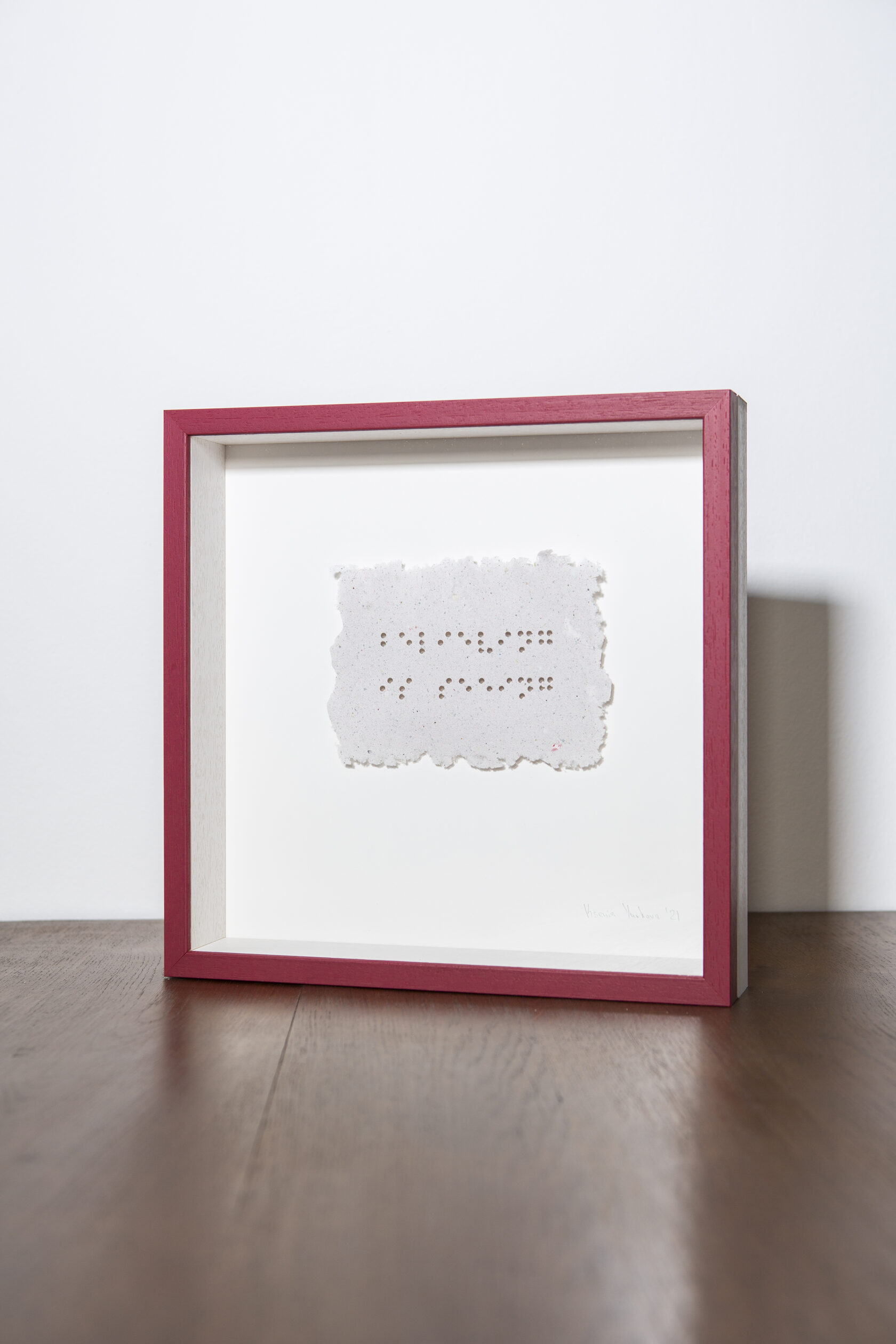
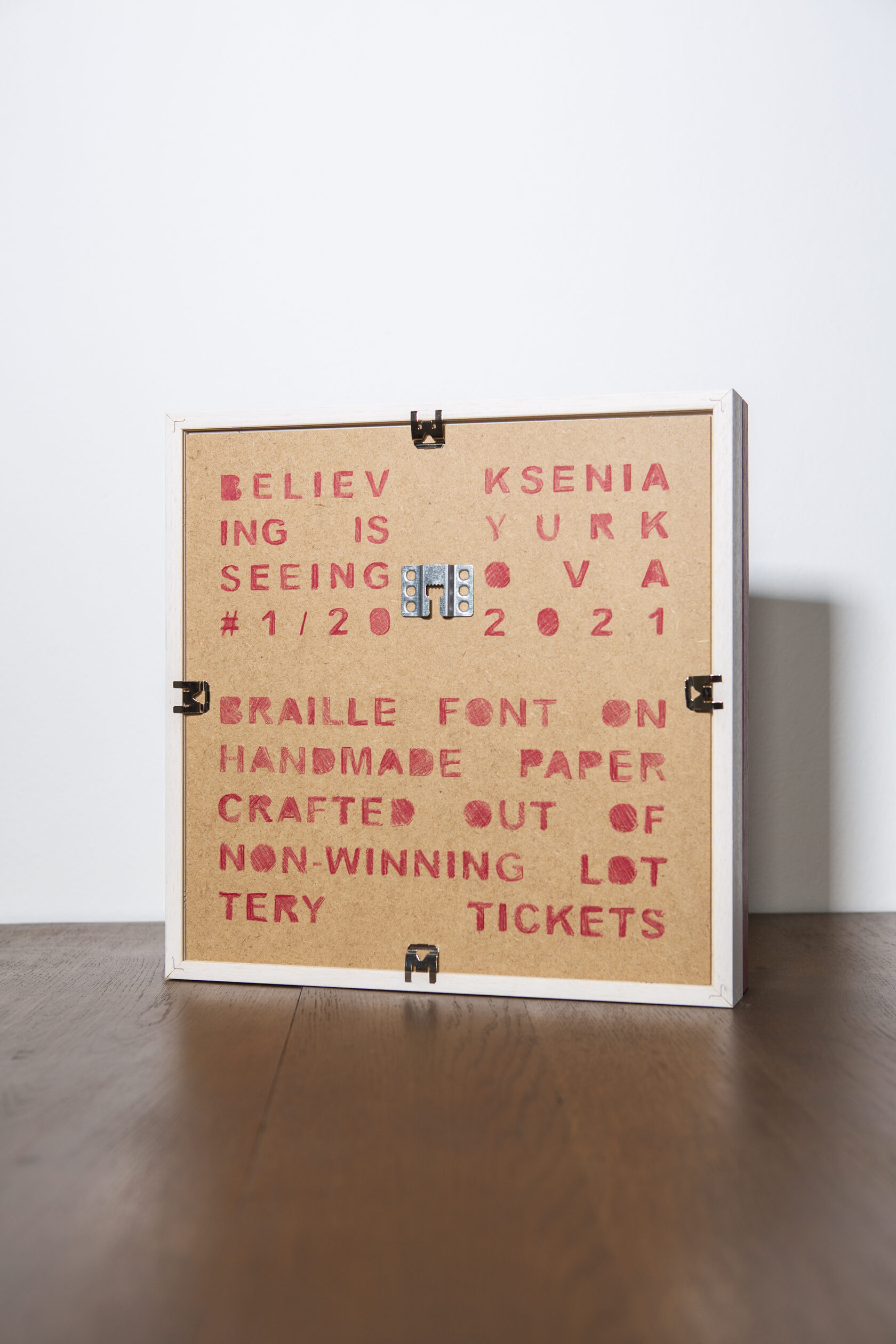
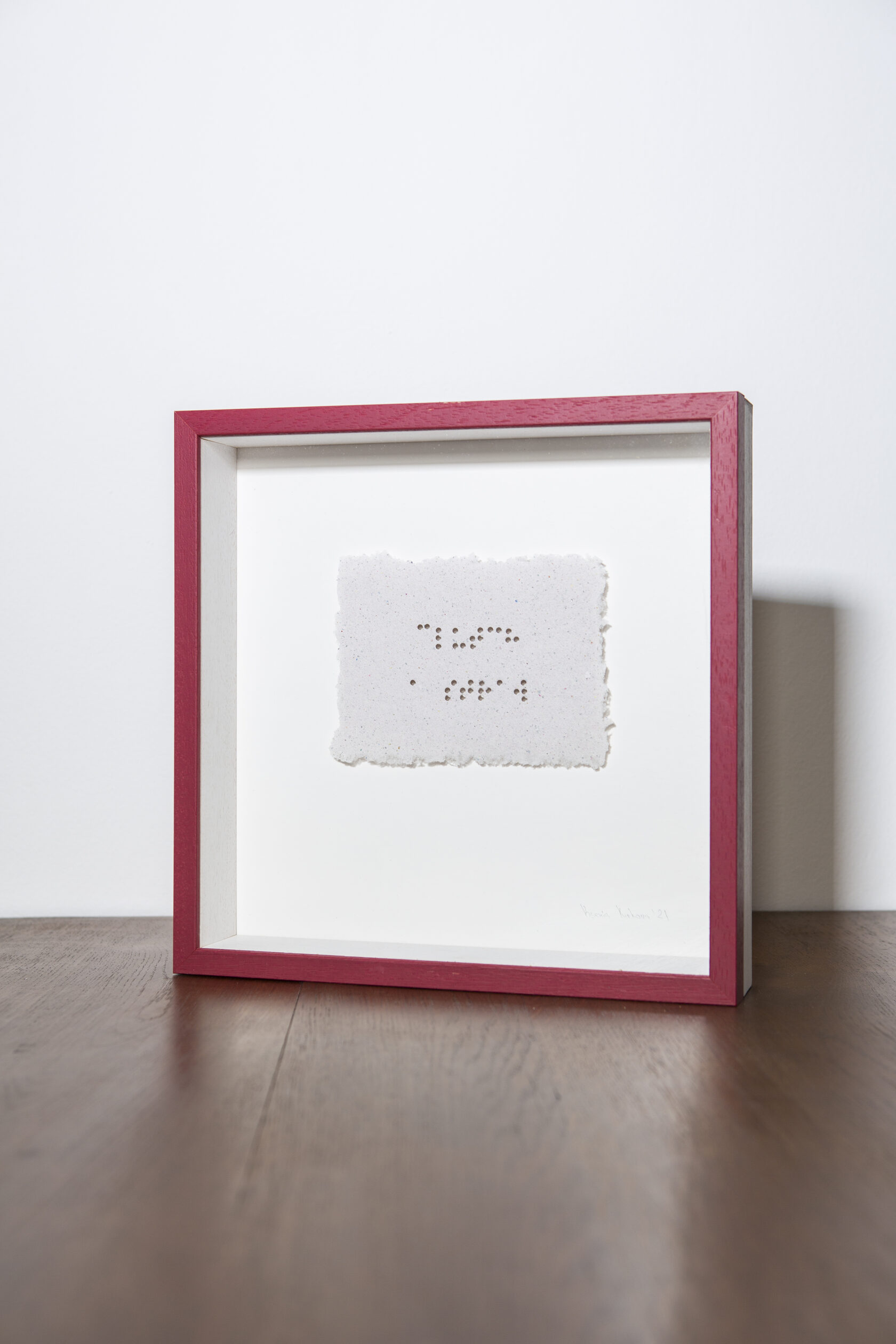
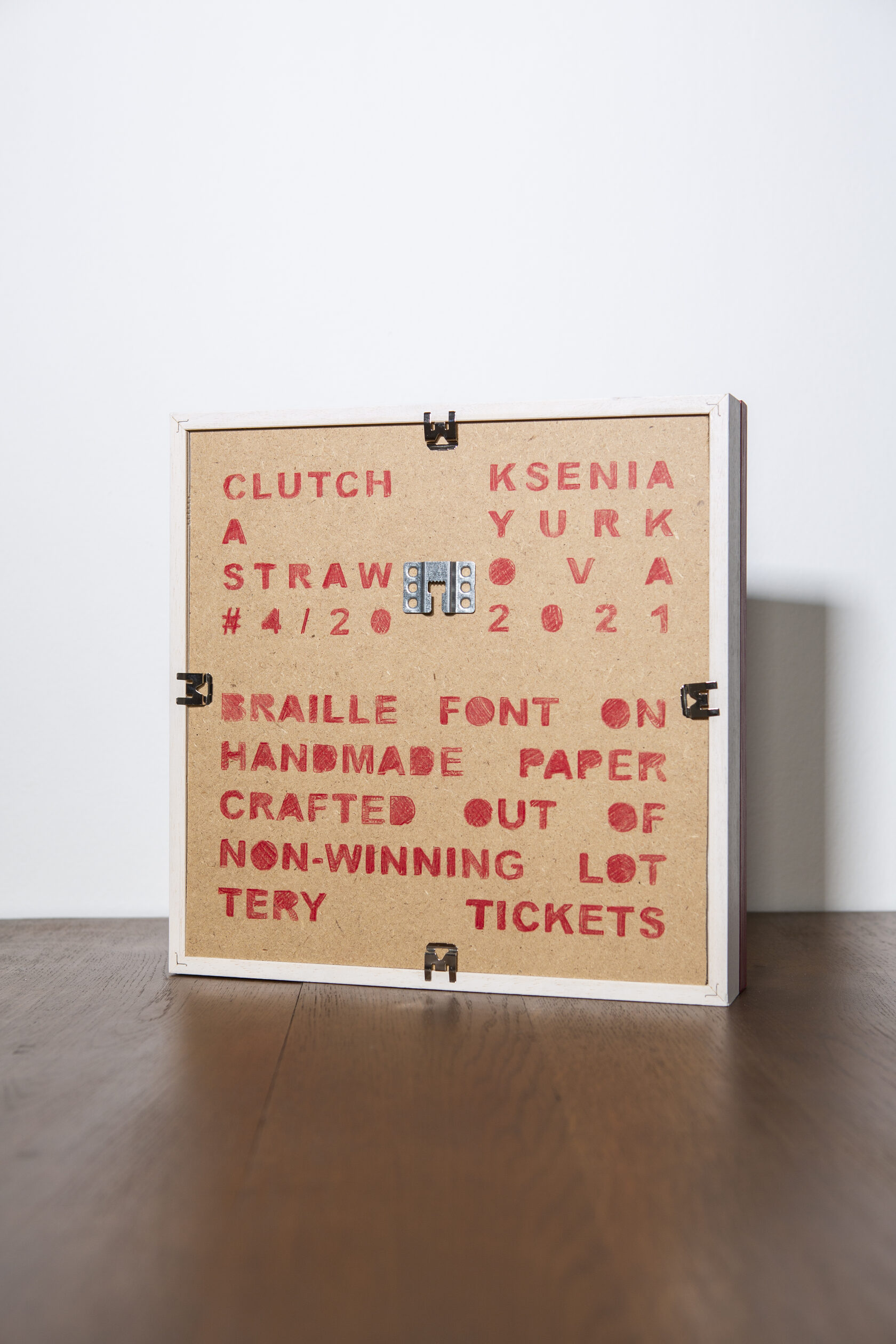
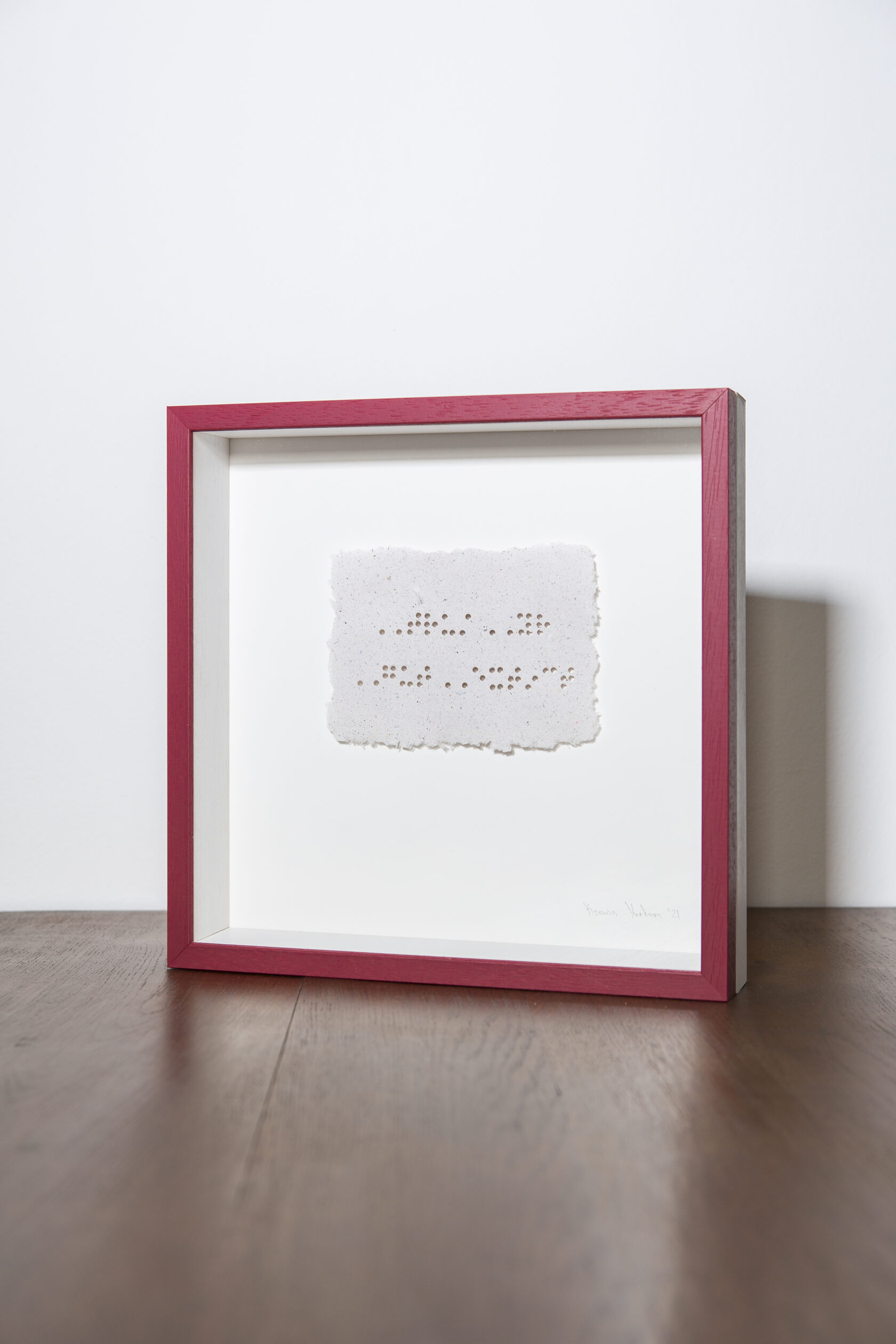
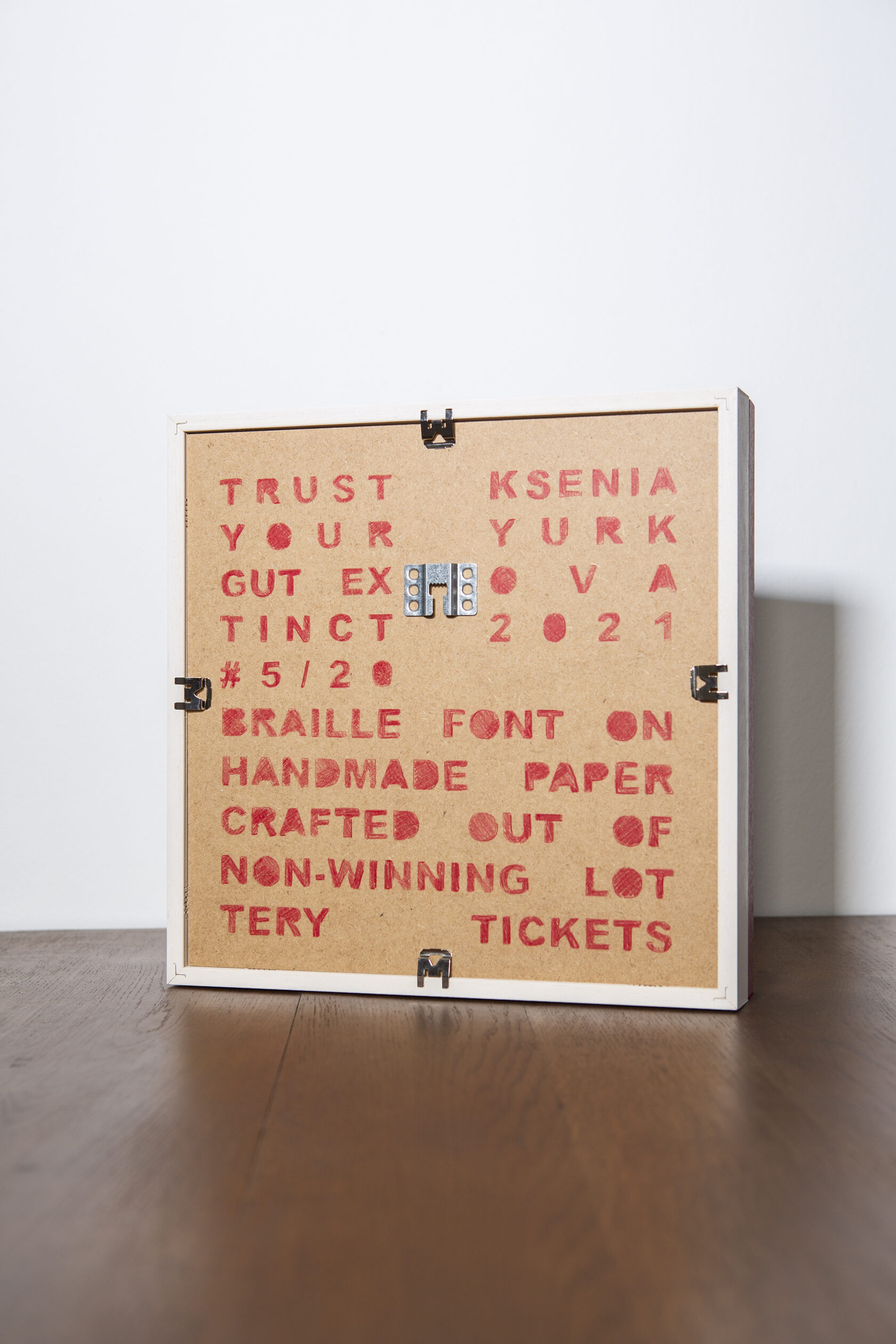
To meditate on this matter, artist Ksenia Yurkova invented a ritual: buying lottery tickets every day for six months and keeping a schedule of income and expenses. After half a year, the calculations stated that the artist had a deficiency of 206 Euros – which became the material cost of this part of the work. The handmade paper is produced from a stack of loser lottery tickets, and the chart depicts a six-month cash flow. Her work, which was conceived before the crisis, took on new relevance during the pandemic lockdowns, touching upon the issues of remuneration for artists and support for culture.
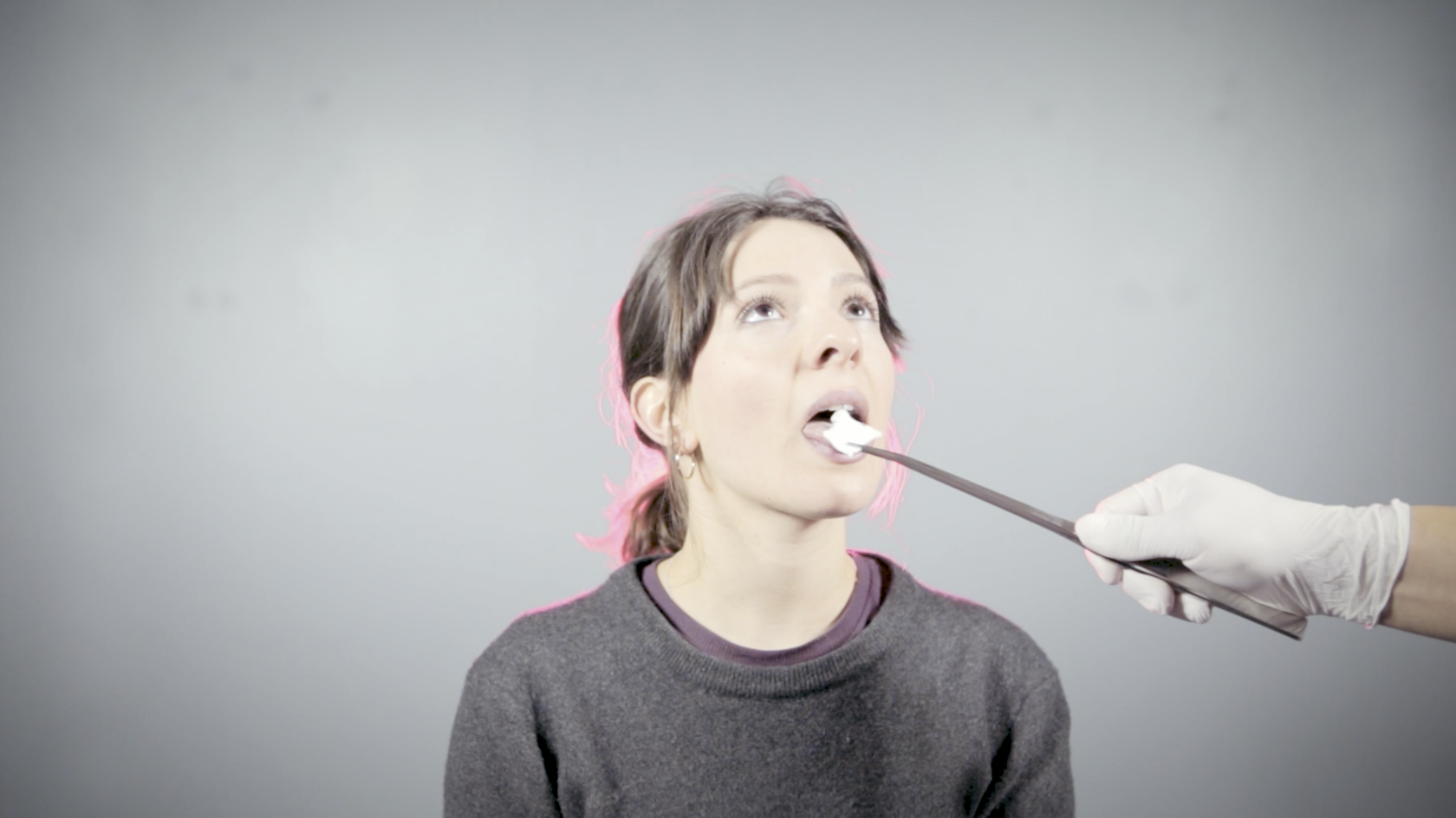
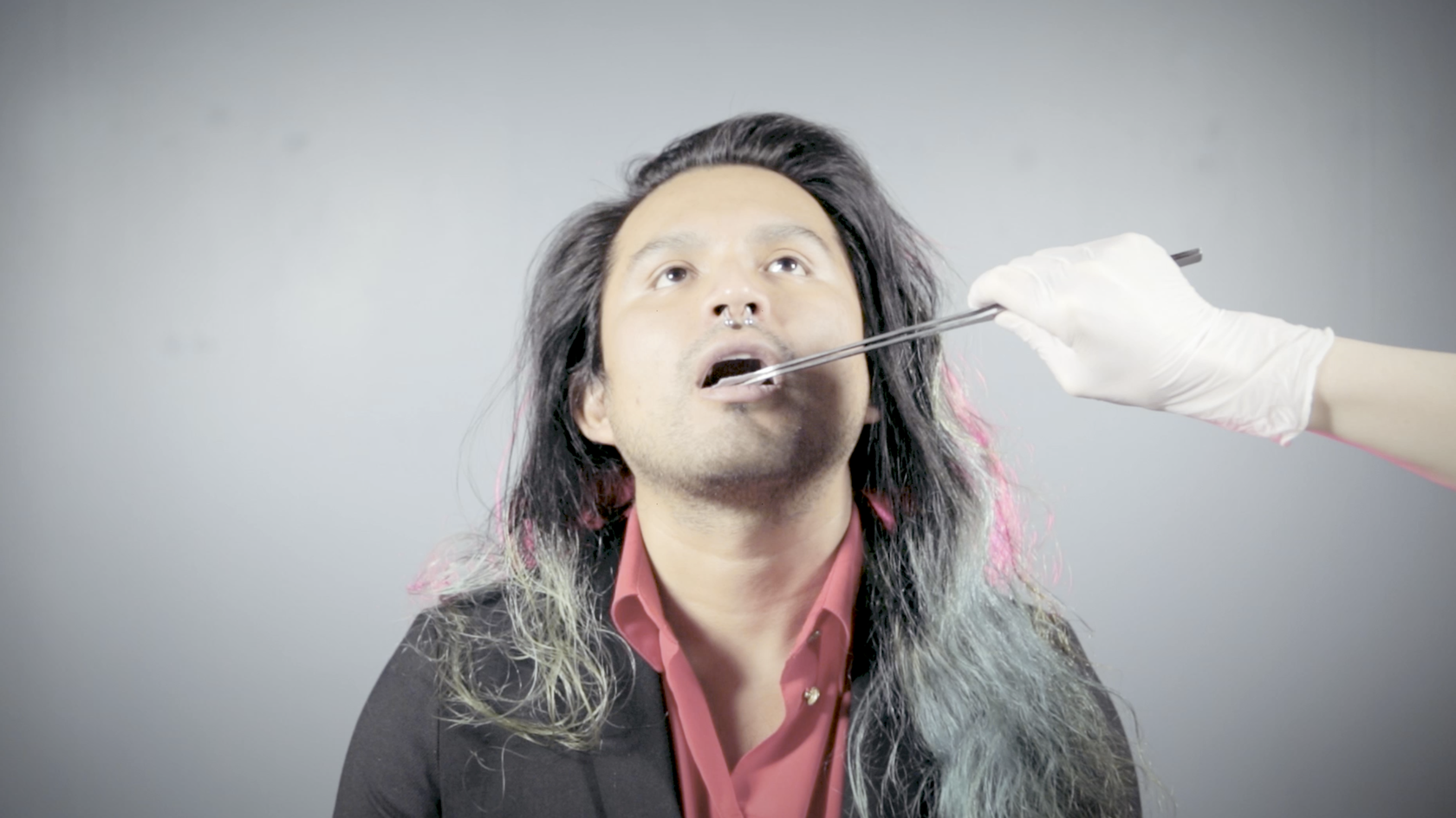
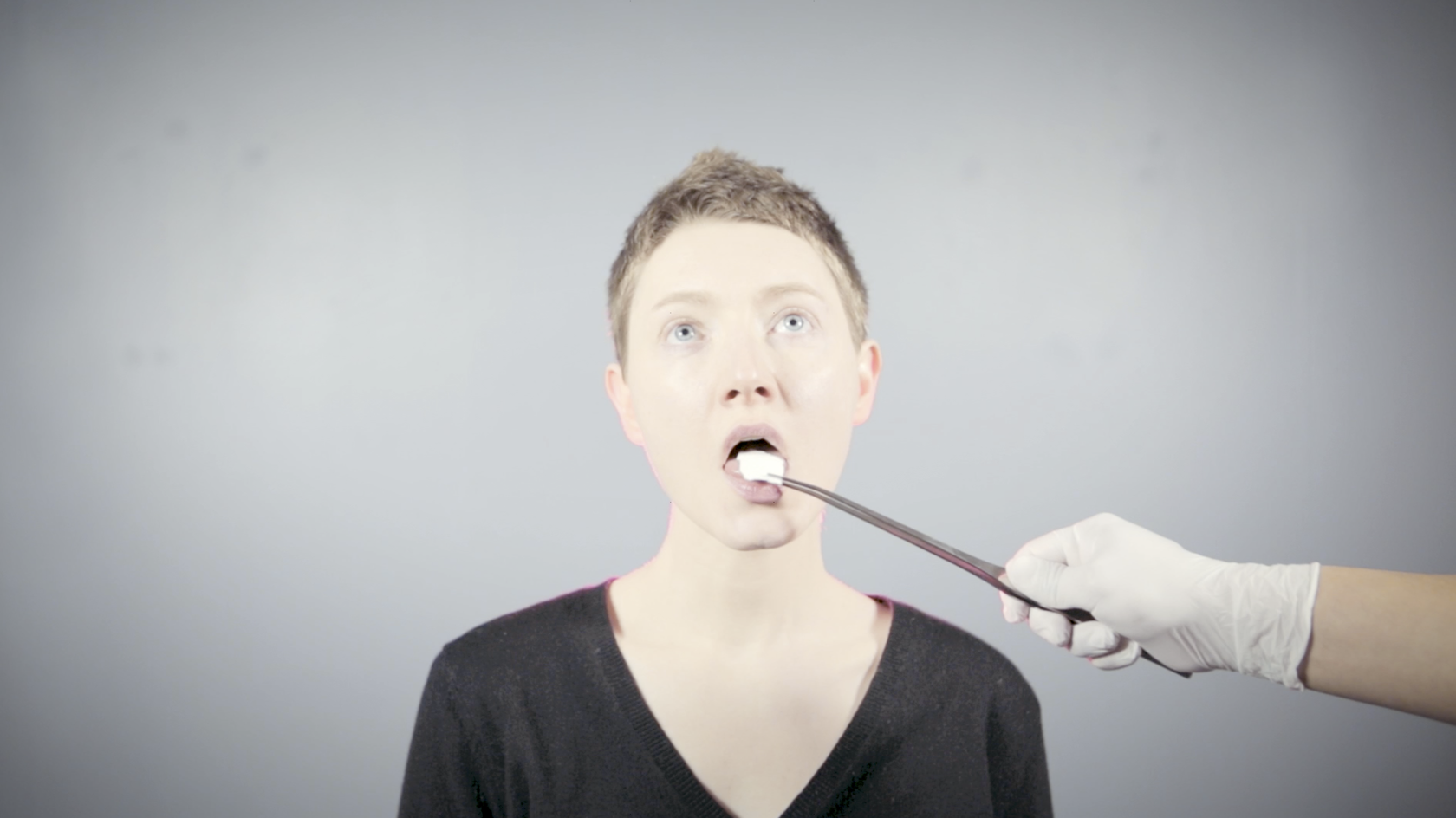
Starting from this premise, artist Ramiro Wong made an analogy of the aforementioned economical processes to different systems of spirituality and superstition, for they are as abstract as belief itself. The video showcases an intimate act which is no longer intimate and in turn assisted with almost surgical precision as a metaphor for accepting one's faith. The installation depicting the losing history was assembled with translucent aluminum mesh, a material both used at the beginning and the end of this project, whilst the triptych format simultaneously creates and separates the space with light emerging from the blindside.
In the video:
Starting from this premise, artist Ramiro Wong made an analogy of the aforementioned economical processes to different systems of spirituality and superstition, for they are as abstract as belief itself. The video showcases an intimate act which is no longer intimate and in turn assisted with almost surgical precision as a metaphor for accepting one's faith. The installation depicting the losing history was assembled with translucent aluminum mesh, a material both used at the beginning and the end of this project, whilst the triptych format simultaneously creates and separates the space with light emerging from the blindside.
In the video:
- Ksenia Yurkova
- Ramiro Wong
- Ale Zapata
- Kata Anna Tüz
- Urte Špeirokaitė
- Justina Špeirokaitė
- Barbora Horská
- Rene Vogelmann
- Camilla Lengauer




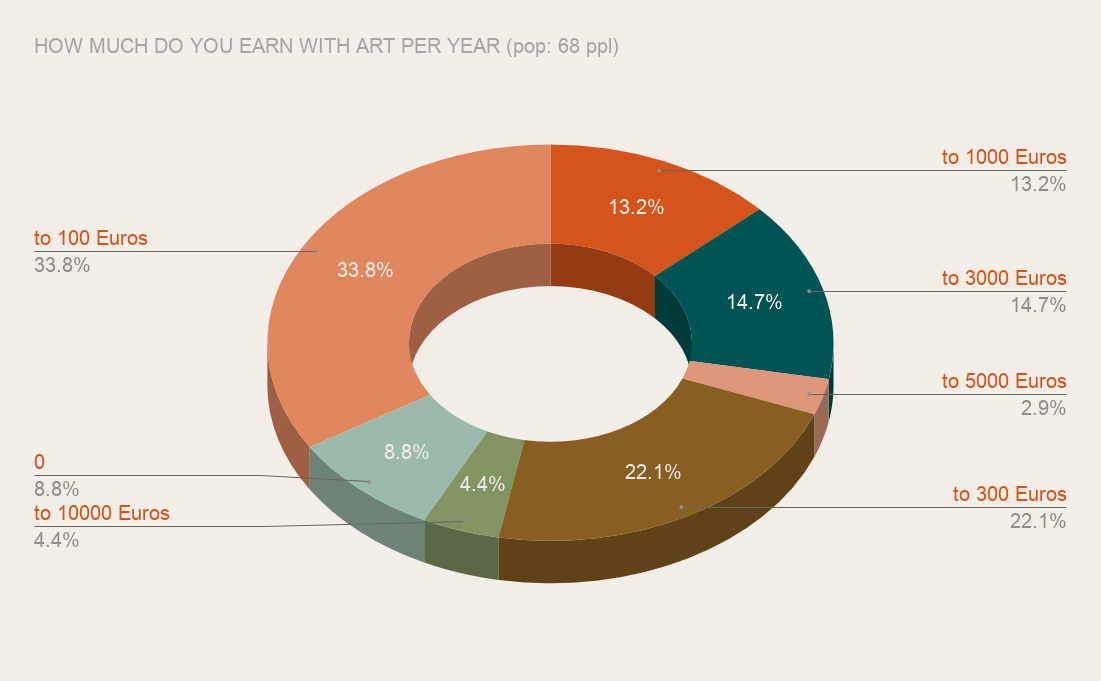
Sociological research on the conditions of artistic labour of the Russian-speaking artists living in Russia and abroad (with a comparison of earnings of female/ male artists) '2021